The Story
I started Already Closed because I wanted to make things that were worth keeping. That sounds simple. It took me two years to understand what it meant.
I knew what I didn't want. I didn't want a brand. I didn't want a logo on the outside of things. I didn't want product launches or limited drops or the language of scarcity that implies the thing matters because other people can't have it. I wanted the opposite: things that matter because of what they are, not because of how many exist or who else owns one.
I started with the bowl. I went to Shigaraki, to a ceramicist named Tanaka-san who has been making pottery for 40 years. I had written down what I wanted: bone white, approximately 22 centimeters, hand-thrown. She read the paper, put it on her workbench, and said: "Bone is not white."
She was right. Bone is the color of something that was once alive and is now structure. It carries that history even in a glaze. She made the bowl. It took three firings. The first two she rejected without explanation. The third she held up to the light and set it down between us and said: "That is bone."
I learned more about making from that conversation than from anything I had read. I learned that the person who makes the thing knows something about the material that the person who describes the thing does not, and that the gap between those two kinds of knowing is where the best work happens. I went home and threw away everything I had written about the products and started over.
The blanket came next. I visited a mill in Wales that has been working with British fleece for longer than I have been alive. I asked them to make something in undyed wool, heavy, plain weave, no pattern. The floor manager looked at me as though I had driven three hours to order toast. They made it anyway. The fleece came from farms in the Welsh borders, unsorted by color, which means the blanket has natural variation: cream and oatmeal and the occasional dark fleck where a different sheep contributed. The mill's owner called this "character." I called it the best part.
I spent the next year finding makers who understood what I was trying to do, which was not always easy to explain because I was still figuring it out. A saddler in Devon for the tote. A foundry in the north of England, established in 1887, for the trivet. A paper mill in France for the playing cards. Each conversation taught me something I hadn't known I needed to learn. The saddler taught me that brass hardware should be solid, not plated, because plating is a promise that eventually breaks. The foundry taught me that cast iron is honest: it is exactly as heavy as it is, and you cannot make it lighter without making it less.
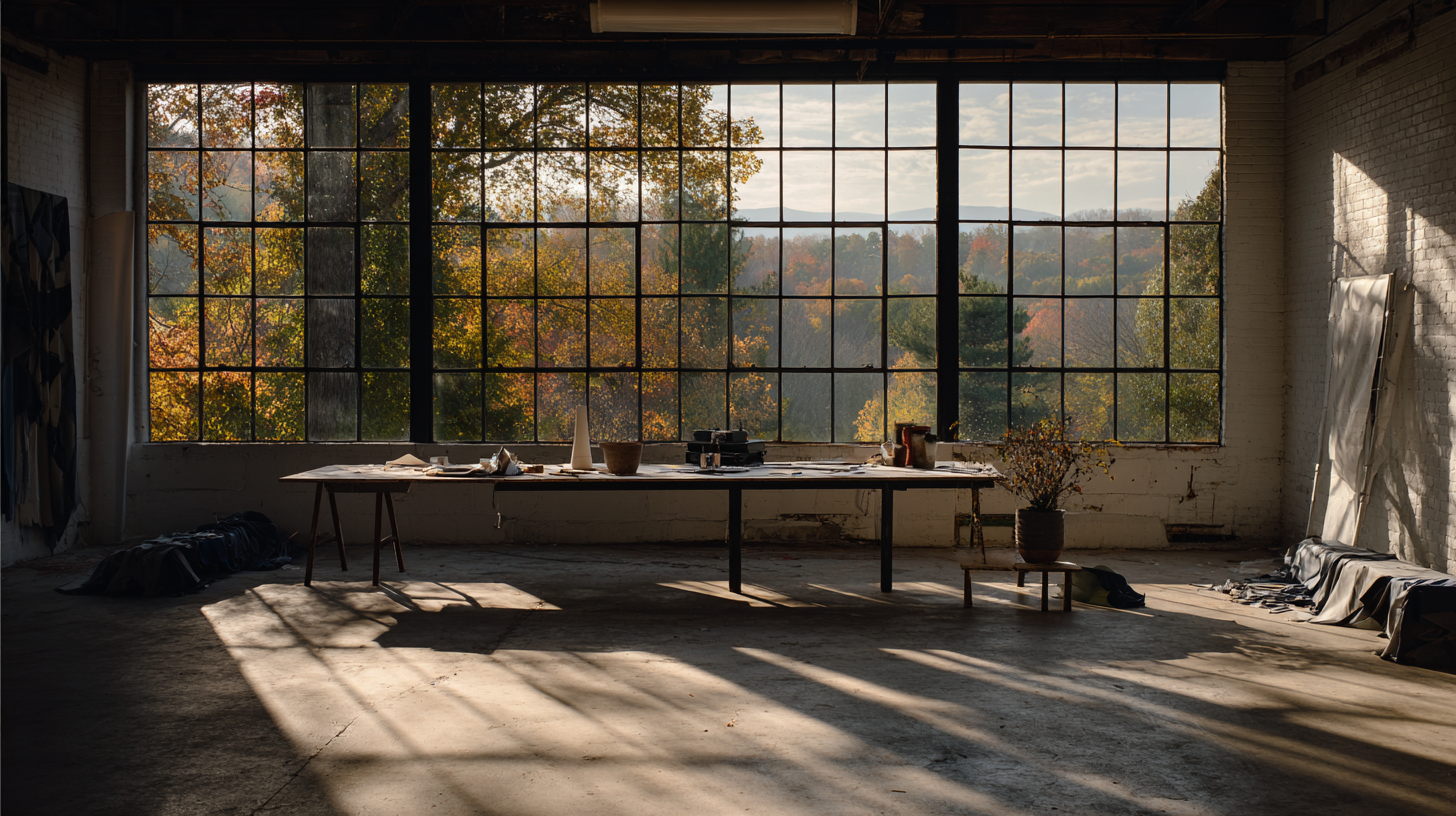
I built the shop. I photographed everything in natural light in a rented studio in the Hudson Valley during the last week of October, because the light in late October does not flatter. It describes. I wanted the products described, not flattered.
And then I closed it.
I'm sometimes asked why. The answer is not dramatic. I realized that the making was the point. The shop was a container for the making, and the container was well-built, and the things inside it were good, and none of that required customers. It required care. The care had been applied. The shop is closed.
Thank you for visiting. The products are not for sale. They exist. That is enough.